Électriques
Electric Car Incentives in Belgium 2026: What's Left?
Electric car incentives in Belgium 2026: what remains in Wallonia, Brussels and Flanders, home-charger grants and the company-car tax advantage.
In 2026, there is no regional purchase grant for an electric car in Belgium. The well-known Flemish premium, which reached up to €5,000 for a new car, has been closed since January 2025; Wallonia and Brussels never offered one. What remains comes down to three levers: lighter taxation, a few local grants, and the company-car advantage for electric cars.
Is there still a purchase grant for an electric car in 2026?
No. In 2026, none of Belgium's three regions pays a regional purchase grant for an electric car to private buyers. The only one that existed, in Flanders, has been scrapped for good.
The picture changed fast. The Flemish premium for private buyers, narrowly extended in late 2024, disappeared entirely on 1 January 2025 (LIZY, December 2025). Wallonia and the Brussels-Capital Region never set up a purchase subsidy. The idea of a French-style "eco bonus" has no Belgian equivalent in 2026.
In practice, that gives a simple takeaway for a private buyer: do not count on any cheque at the order. Public support still exists, but it has shifted from the moment of purchase towards usage and long-term taxation. It is a change of logic, not a complete removal of advantages.
Does the electric car premium still exist in Flanders in 2026?
No, and this is the most striking change of the year. Not only is the purchase premium gone, but Flanders has also ended the full tax exemption electric cars had enjoyed since 2012.
The Flemish premium reached €5,000 for a new car and €3,000 for a used one before it closed. The regional government redirected that budget towards expanding the fast-charging network rather than the purchase cheque (LIZY, December 2025). On the tax side, the switch took effect on 1 January 2026.
In practice, that gives this for a 2026 Flemish registration: a flat registration tax (BIV) of about €61.50, and an annual road tax that is no longer free, around €70 to €100 depending on fiscal horsepower. The figure that really matters: if your electric car was registered before 31 December 2025, you keep your old exemption. The new tax only applies to registrations from 2026 onwards.
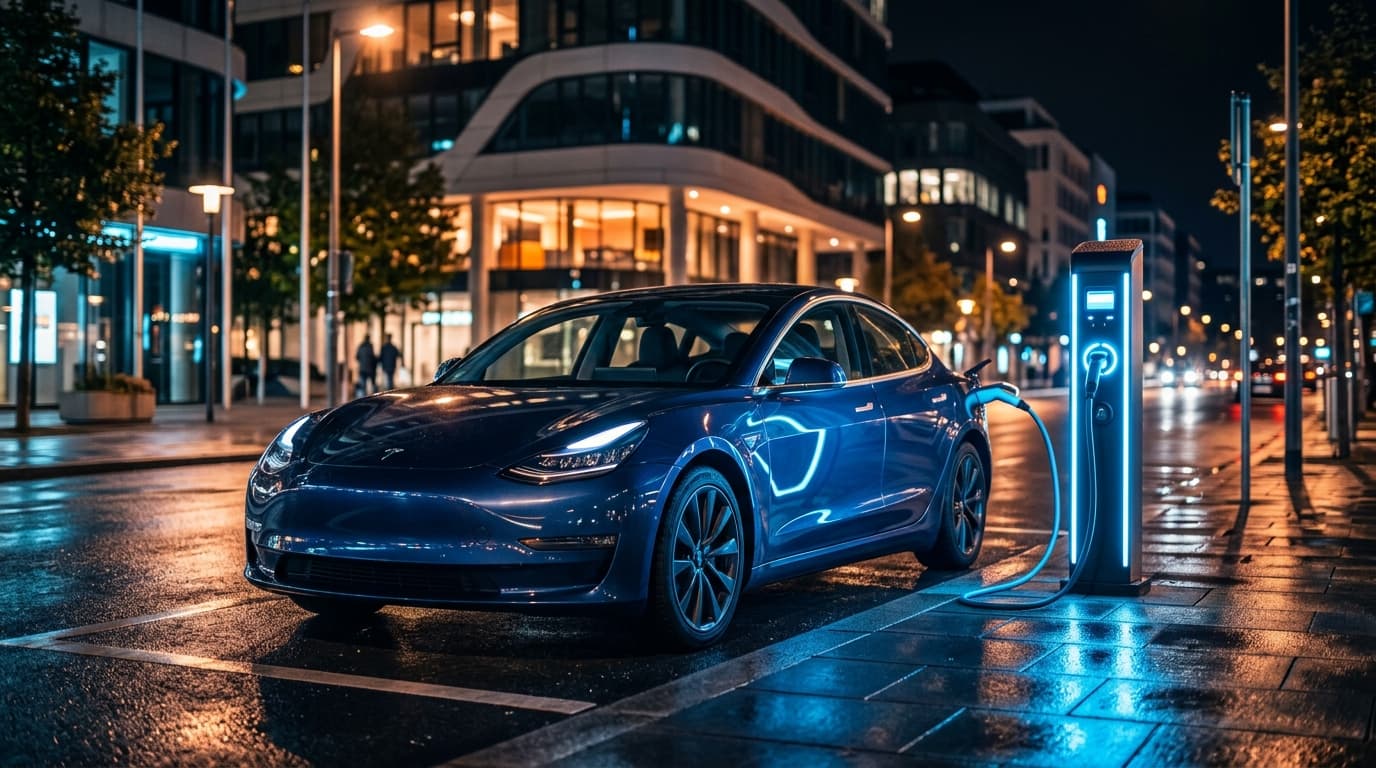
What incentive is there for an electric car in Wallonia in 2026?
No purchase grant, but lighter taxation than for an equivalent combustion car. Since July 2025, Wallonia applies a new registration-tax calculation that remains favourable to electric cars.
The Walloon registration tax now combines power (kW), CO2 emissions, weight and fuel type. Electric cars, often heavy and powerful, are taxed slightly more than before 2025, but the "electric fuel" coefficient (0.18) sharply limits the bill (LIZY, December 2025). The annual road tax for fully electric cars stays capped at the minimum, €102.96.
In practice, that gives a telling example. For a 150 kW Volkswagen ID.3 registered in Wallonia, the 2026 registration tax comes to €548 (LIZY, December 2025): far below what a large combustion car of the same power would pay. On the persona side, since 1 July 2026 a €250 reduction is granted to single-parent families under conditions, on top of the existing advantage for large families.
And in Brussels, what advantages in 2026?
Brussels has no purchase grant either, but it is the region with the most stable and lightest taxation, especially on leasing. The Region chose annual indexation rather than overhauling the calculation.
The registration tax stays set at the minimum amount, simply indexed: expect a little more than the €74.29 of 2024. The annual road tax for fully electric cars is, as in Wallonia, capped at the minimum (€102.96). And vehicles registered through a leasing company keep the Brussels rate, the most favourable in the country (LIZY, December 2025).
In practice, that gives a particular benefit for the self-employed and companies. A leased car registered under the Brussels scale escapes the indexation applied to ordinary vehicles. What we would avoid: believing there is a Brussels regional purchase grant. There is none; the advantage is entirely fiscal and structural.
Is there a grant to install a home charging point in 2026?
For a private individual, no, no federal incentive remains in 2026. The tax break that funded a home charging-point installation ended with the 2026 tax year.
This federal scheme long covered part of the cost of a private charging point for individuals. It is no longer available for new installations (SPF Finances, 2026). For a company, increased depreciation may still exist depending on the situation, but that is a different framework from the "private individuals" tax break.
In practice, that gives a simple piece of advice: before ordering a wallbox, check with your municipality and energy supplier for any local support or one-off offers, which sometimes replace the old federal advantage. The cost of a home charger remains the key investment to make an electric car pay off, since home charging is by far the cheapest.
What is the tax advantage for an electric company car in 2026?
This is where the real public support sits in 2026. Fully electric cars (0 g CO2) ordered up to 31 December 2026 keep a 100% tax deductibility for companies and the self-employed.
The company-car regime is now the dominant purchase channel in Belgium, and it pushes clearly towards electric. Where a combustion car sees its deductibility fade, an electric car stays fully deductible, which can mean several thousand euros of difference in net after-tax cost. Be careful, though: the deductibility of electric cars themselves will gradually decrease for orders placed after 2027.
In practice, that gives a clear line by profile. A self-employed person or a company almost always has an interest in going electric in 2026, especially with charging at home or at the office. The figure that really matters: it is the order date that locks in the applicable regime, not the delivery date. To compare eligible models, see our ranking of the best electric cars and our electric car coverage.
Are there local (city) grants for an electric car?
Yes, but they are rare, local and changeable. A few cities keep a purchase or electric-mobility incentive, independently of the regions.
These local grants do not replace a regional grant: they are capped, conditional (residence, income, scrapping an old vehicle) and vary from one municipality to another. Ghent, for example, offers at least €4,500 in certain cases (AutoScout24, 2026). Other municipalities mainly support soft mobility or car-sharing rather than individual purchases.
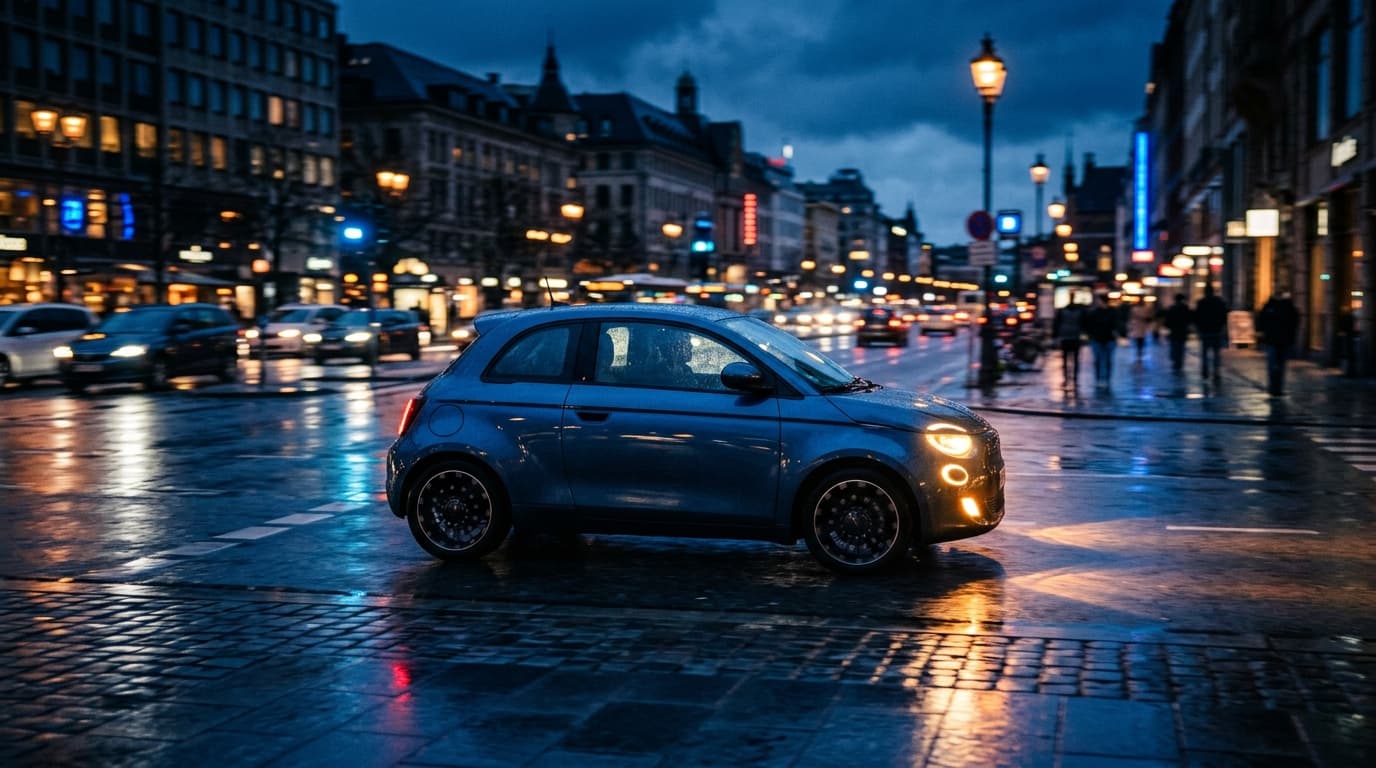
In practice, that gives a reflex to adopt before any purchase: type your municipality's name followed by "electric car grant" on the official website, or call the environment department. What we would avoid: relying on a local grant seen on a forum without checking it is still active in 2026.
Comparison: electric car incentives by region (2026)
| Region | Purchase grant (private) | Registration tax | Annual road tax (EV) |
|---|---|---|---|
| Wallonia | None | Calculated on kW + CO2 + weight + fuel (electric coef. 0.18) | Capped at minimum: €102.96 |
| Brussels-Capital | None | Minimum amount, indexed (> €74.29 of 2024) | Capped at minimum: €102.96 |
| Flanders | None (premium closed since 2025) | Flat ~€61.50 (2026 registration) | ~€70 to €100 (end of free exemption) |
Amounts as of this article (June 2026), based on LIZY (December 2025) and the regional portals. Electric cars registered in Flanders before 31 December 2025 keep their exemption. Leased company cars apply the Brussels scale, regardless of the driver's home address.
Verdict
For a private buyer in 2026, you have to let go of the purchase grant: there is none left in any region. The real public support now lies in lighter taxation (reduced registration and road tax) and, for those who can, in the company-car regime, where a fully electric car stays 100% deductible for orders placed up to 31 December 2026.
As an alternative to save without a grant, play on running cost and entry price. An affordable electric car charged at home costs about €4 to €6 per 100 km, and the total-cost gap over 5 years often offsets the missing subsidy. Before signing, check two things: a possible active local grant, and the order date if it is a company purchase. To frame your budget and your use, the comparison tool filters by price and range, and the quiz points you in the right direction in three questions.
Comparateur Électriques
Compare tous les électriques côte à côte.
Comparer maintenant →
Frequently asked questions
Julien essaie des voitures depuis 2012, d’abord pour la presse spécialisée belge, aujourd’hui en indépendant depuis Liège. Il croise les données TÜV, ADAC et les prix catalogue belges plutôt que les fiches constructeur. Sa règle : pas d’essai en concession de 20 minutes, pas de verdict sans chiffre vérifiable.